
CANVAS
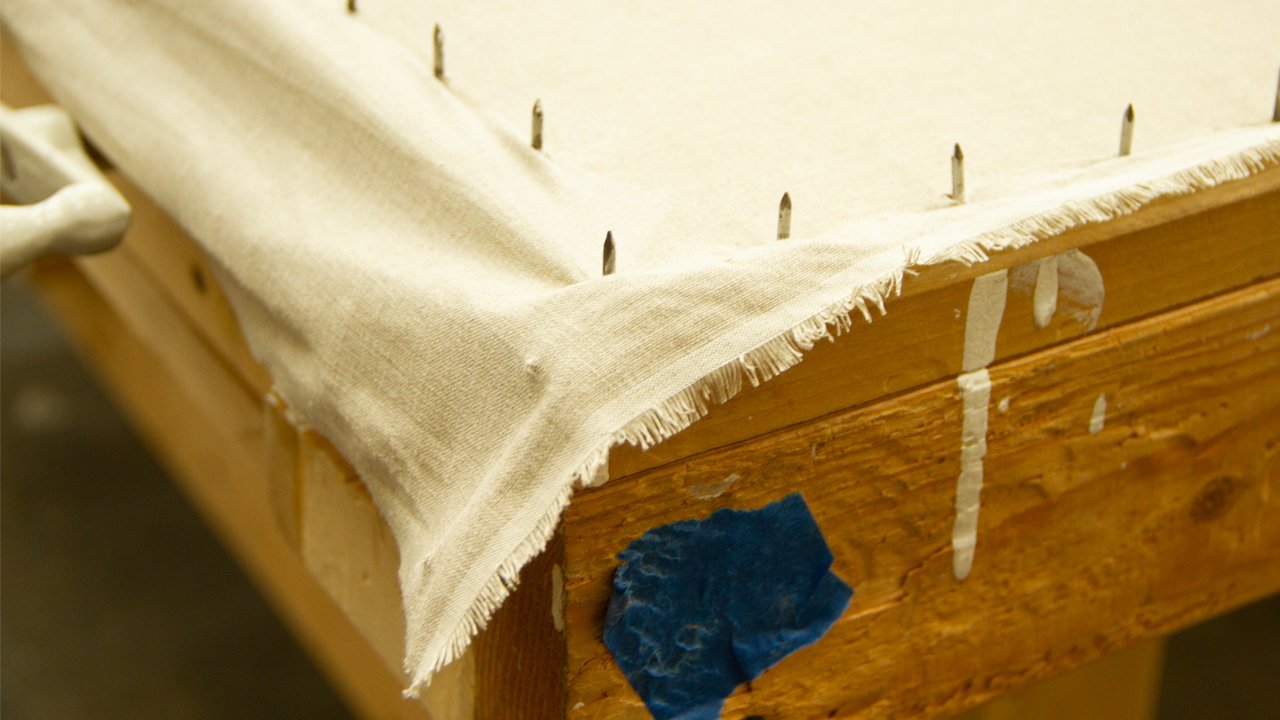
Raw or meticulously hand-primed, our curated selection of high-quality 100% cotton duck or premium Belgian 100% linen canvas is the finest anywhere.
Linen Vs. Cotton
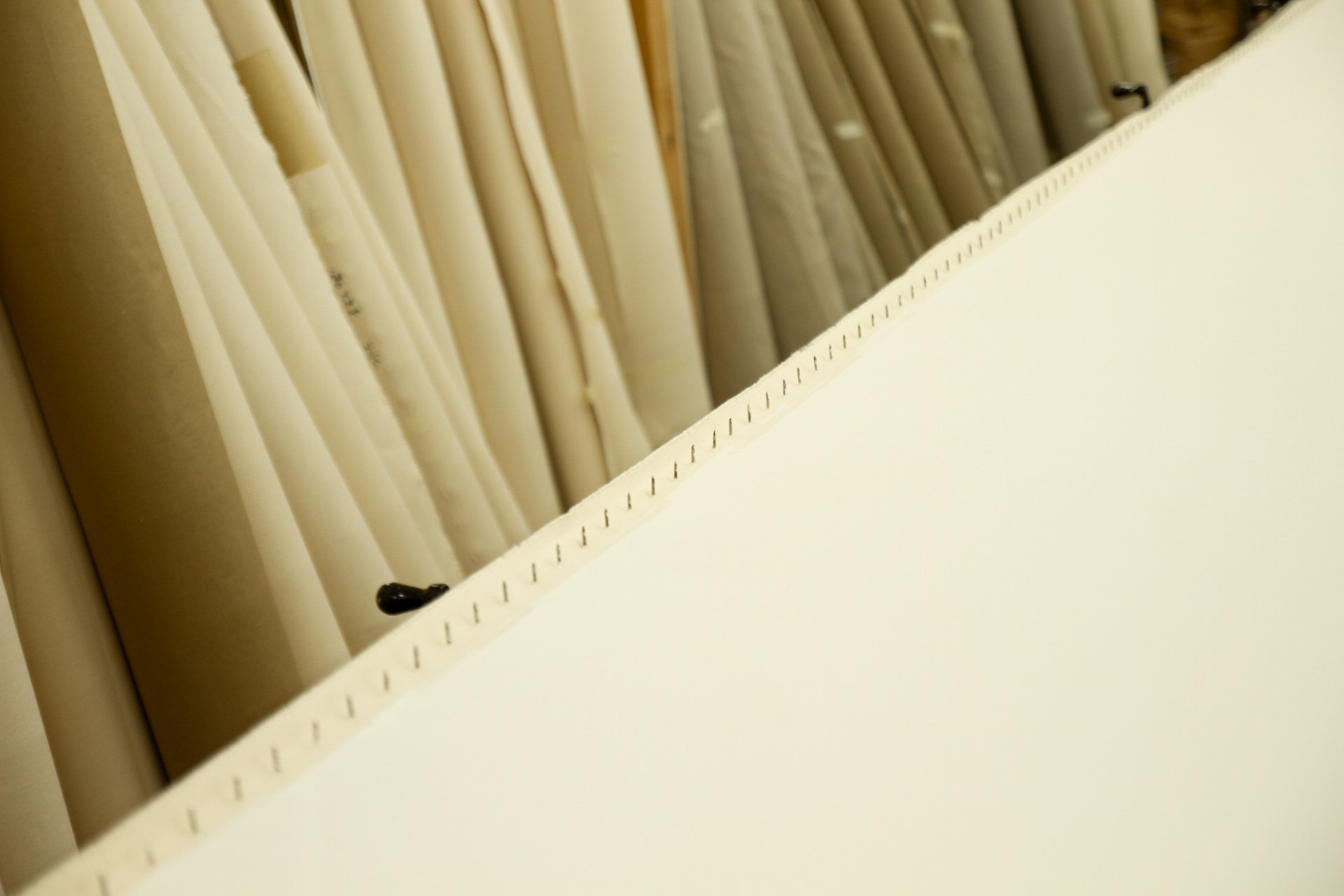
Cotton is easier to stretch, and can be stretched tighter than linen without compromising the stability of the piece’s wooden (or aluminum) art support framework. Overall, cotton is more fragile and generally overly flexible for larger paintings, although heavier-grade pure cotton duck canvas options can mitigate some of those issues.
Featuring roughly twice the tensile strength of cotton (and inherent antibacterial and antifungal properties), linen is prized for maintaining its integrity and tautness over time, with most artists and conservators agreeing that premium Belgian 100% linen canvas is essential for oversized pieces, and the better option, generally speaking, for sustaining longevity.
Married with our extensive knowledge on canvas preparation, of course, your personal preference is always taken into consideration.
How We Prime Our Canvas
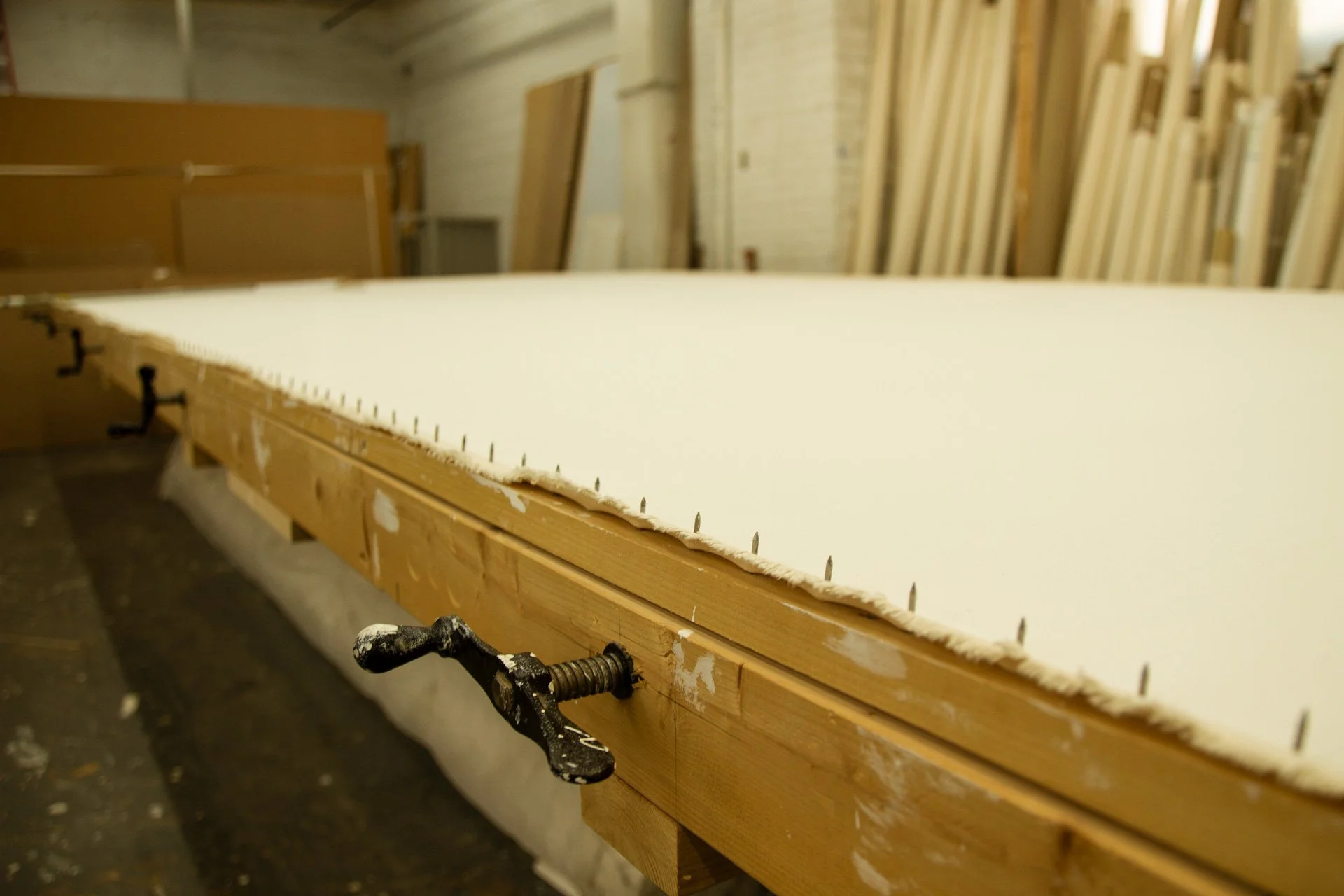
Experienced artisans in our Brooklyn studio meticulously hand prime our raw canvas using a precise rack method developed by our founder.
Unlike other, mass market “hand-primed” products, this boutique approach leaves our canvas fully and properly stretched out while priming.
We accommodate a wide range of custom priming requests, including colors, please reach out for a quote.
Canvas Types
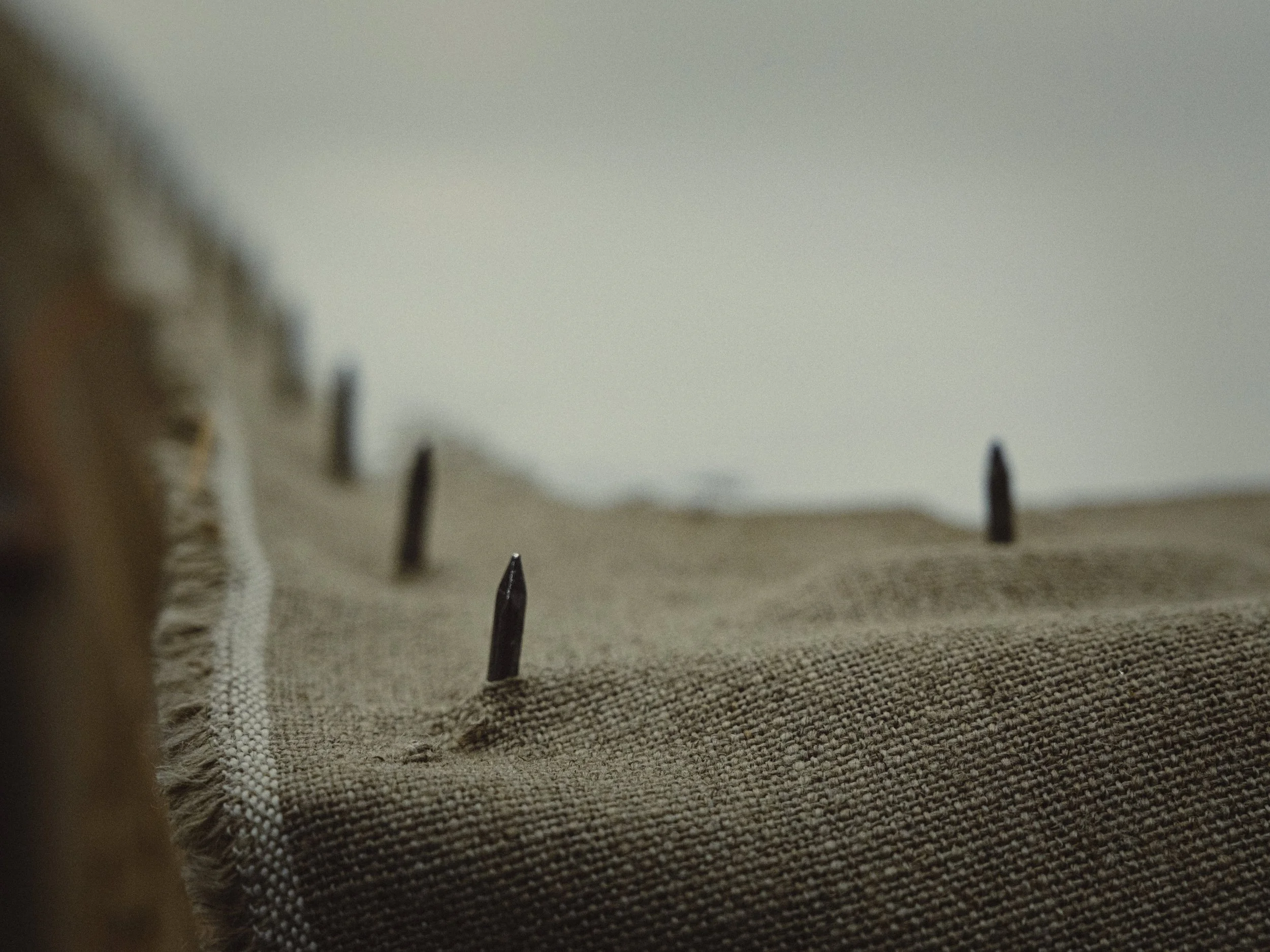
Artists today almost universally choose canvas from two main canvas categories: cotton or linen, with 100% pure cotton duck and premium 100% linen being the highest grades of quality available.
Our selection of 100% pure cotton duck is sourced from India and premium 100% linen canvas from Belgium. Detailed descriptions of our offerings is in the Raw Canvas section below.
Understanding Your Canvas Options
For some artists, Canvas type is simply a matter of personal preference. For others, the choice varies based on the nature and needs of each project or piece.
Overall, as with our art supports, we focus on what works consistently and lastingly. That relentless pursuit of quality and longevity has led us to a selection of the highest quality canvas options, and related priming services that integrate perfectly with our stretcher and panel product lines.
To better understand the characteristics and features distinguishing what we offer, it’s instructive to consider the history and development of artist canvas overall. (You can scroll down to our specific canvas selection at any point!)
Fabric Enters The Frame
It took hundreds of years, but with Venetian painters leading the way, canvas eventually eclipsed wood panels as the world’s most popular art support medium.
The earliest canvas was heavy-duty, plain-woven linen made from hemp, essentially the same canvas used to produce sails thus abundant around 16th and 17th century Venice.
However, over time, while retaining its strong and durable properties, the linen canvas used for painting would evolve into a more refined textile thanks to the fibers of the flax plant.
Belgium Breeds The Best
High-quality flax is grown primarily in Western Europe, one of the few crops still flourishing in that part of the world, with the best varieties hailing from Belgium. Since the mid-19th century if not earlier, Belgium has produced the finest loomstate linen canvas, featuring the longest natural threads.
The production process has the added virtue of also being ecologically sustainable: from its nourishing seeds to versatile fiber, the entire flax plant is put to good use.
The primary alternative, cotton canvas did not arrive until the early-20th century, with the highest quality being cotton duck.
“Duck” And Cover
Derived from the Dutch word “doek”, which means linen canvas, 100% cotton duck canvas is less expensive than linen and more tightly woven than regular cotton canvas.
Cotton duck features a weave that is more uniform, even, and homogenized than linen. It is classified by weight and surface texture in a numerical grading system, with 1 being the heaviest and 12 the lightest.
Linen, on the other hand, tends to have more irregularities, defined characteristics, and textural character; it’s a stronger, more abrasive fabric.
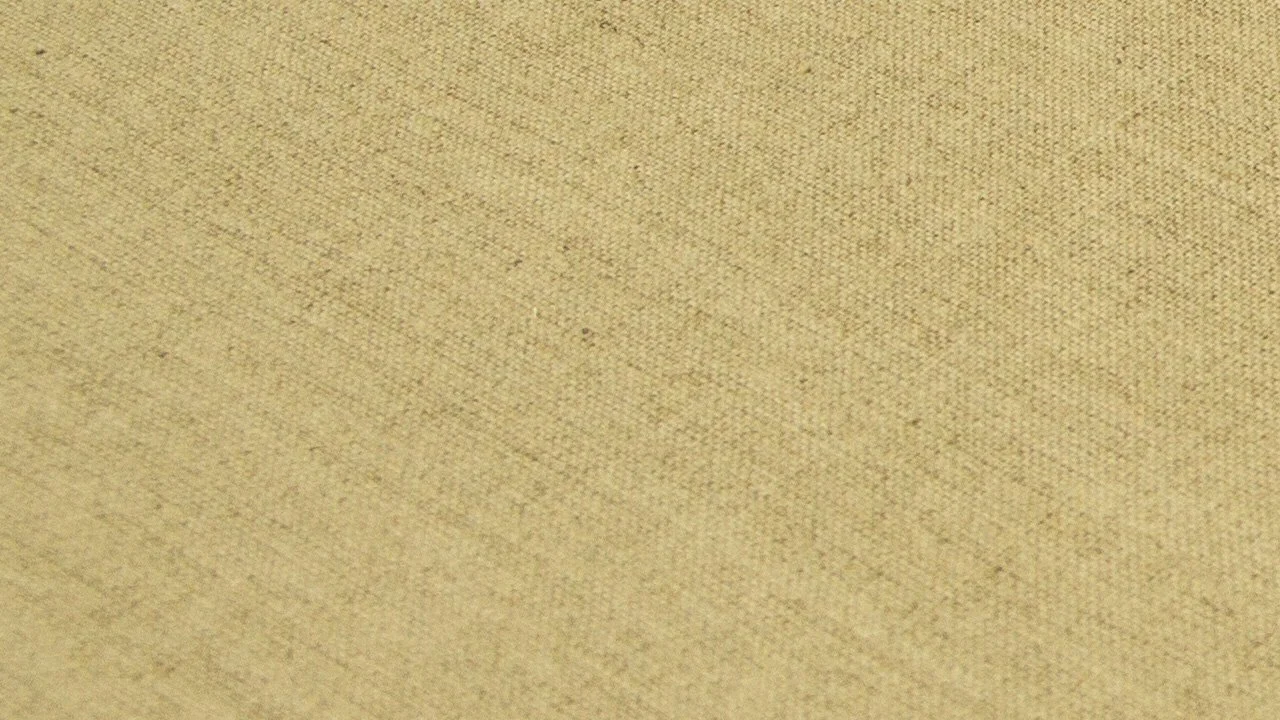
RAW
For the surface you want at prices that always remain competitive, we offer a curated range of 100% pure cotton duck from India and premium Belgian 100% linen canvas selections that integrate perfectly with our stretcher and panel products, providing the highest standards of quality, durability, and longevity.
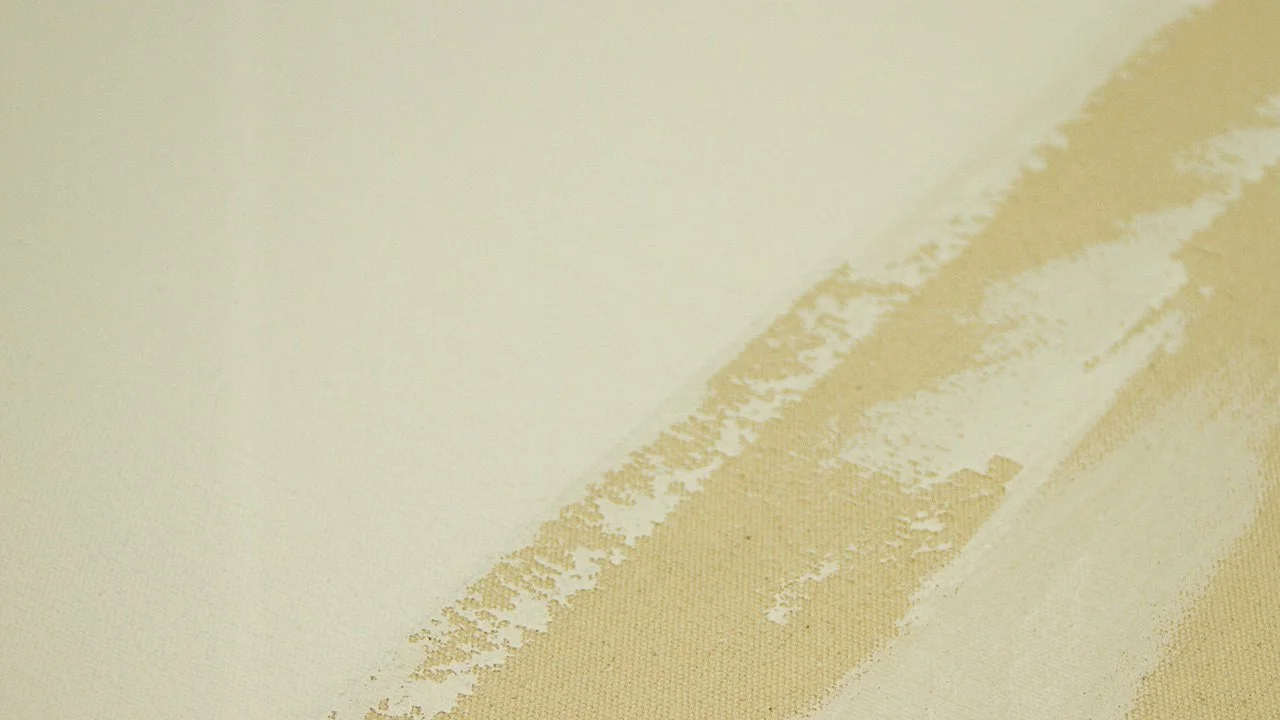
PRE-PRIMED
Not everyone likes it raw. Using a boutique, rack-stretched technique, our expert Brooklyn studio staff hand primes our range of 100% pure cotton duck from India and premium 100% linen canvas from Belgium to your preferred specifications and can accommodate a wide variety of custom priming requests.